
TRENDING DESTINATIONS
Last updated on: 08 Jan, 2026
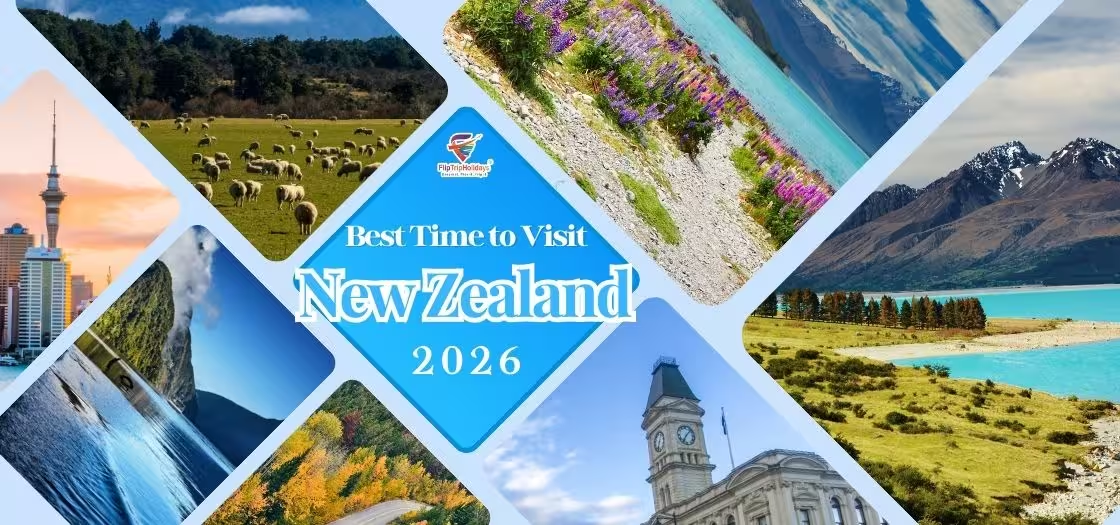
The climate in New Zealand is favorable all year round. However, based on the type of tourist that one is, it is important to travel at different times of the year. The fact that New Zealand is situated in the Southern Hemisphere makes it inconvenient for people from India because the seasons in these two places differ. The 2025 guide helps identify favorable times to visit New Zealand.
For travelers who want a quick overview, New Zealand’s travel seasons can be categorized into three main periods:
| Season | Months | Highlights | Drawbacks |
|---|---|---|---|
| Peak | Dec-Feb | Warm weather, long days, beaches, festivals | Crowded, expensive |
| Shoulder | Mar-May, Sep-Nov | Mild weather, fewer tourists, lower prices | Some attractions may close early |
| Off-Peak / Winter | Jun-Aug | Snow sports, fewer crowds, lowest accommodation rates | Cold, some trails and roads may be closed |
Quick Tip: For first-time travelers, the months of March to May (Autumn) or September to October (Spring) boast the ideal combination of climate, population density, and travel expenses.
There are no direct flights between India and New Zealand; most routes involve one stop. Common routes are Delhi or Mumbai via Singapore, Bengaluru via Kuala Lumpur, and Delhi via Sydney. Depending on layovers, the average travel time can be from 18 to 24 hours.
Flight Costs (Return Tickets)
Booking Tip: It is usually recommended to book flights 10-12 weeks in advance in order to get the best deals, especially in shoulder months.
Indian nationals require a New Zealand Visitor Visa for traveling to New Zealand. Visa processing times normally take 15-30 working days, and it would be prudent to apply 6-8 weeks before traveling, as last-minute applications can experience some hold-ups.
New Zealand’s climate range varies from the North Island to the South Island, with the coastal areas retaining a mild climate, while the Alpine regions are colder. This knowledge of the climate patterns gives you better guidance on planning activities, packing, or even the route of travel.
Summer is the warmest and busiest season of the year, with an average temperature of 20-25°C and extensive daytime hours, ideal for sightseeing, beach, and road excursions. Summer is the peak holiday season, especially among families and first-time travelers.
Best experiences:
Good to know: Be prepared to pay higher prices, and book your accommodations well in advance, up to 3 to 4 months.
In autumn, there are favorable daytime temperatures, amounting to 17-21°C, as well as cool and picturesque landscapes featuring golden foliage. There will be fewer visitors, which will be quite convenient for traveling.
Best experiences:
Good to know: Price decreases very slightly towards the end of the summer months. Take some light layers for the chilly nights.
Winter sees cooler temperatures, with mean values of 10-15°C, and snowfalls occurring in the South Island’s alpine resorts. Ski resorts are full, while the rest of the cities remain quiet.
Best experiences:
Good to know: Always bring thermal clothes with you. If you are traveling to areas that use roads accessing mountains, check road conditions.
During spring time, temperatures rise to the mid-teens to low-20s, with blooming flowers, full waterfalls, and active wildlife. This is a great time for outdoor adventures without the crowds that peak-season brings on.
Best experiences:
Good to know: Weather can change suddenly, so it is a good idea to have water-resistant layers as well as sturdy walking shoes with traction
| Season | Months | Weather Snapshot | Best For |
|---|---|---|---|
| Summer | Dec-Feb | Warm, sunny, long daylight hours | Beaches, festivals, first-time visitors |
| Autumn | Mar-May | Mild temperatures, crisp air, fewer crowds | Photography, wine tours, road trips |
| Winter | Jun-Aug | Cold; snow in alpine regions | Skiing, stargazing, budget travel |
| Spring | Sep-Nov | Fresh greenery, waterfalls, active wildlife | Hiking, nature lovers, outdoor adventures |
This time, breaking down your travel plans into monthly segments makes it more likely that events, weather, and festivals will fall into place. Have a look at these:
Note: The temperatures quoted are approximate daytime temperatures for lowland and North Island areas. Alpine regions of the South Island are generally much colder.
Temperature: 20-30°C
January is New Zealand's peak summer: hot, sunny days that go on forever. It is ideal for beach holidays, road trips, and other outdoor adventures. This season brings big crowds and higher rates in destinations such as the Bay of Islands, Queenstown, and Rotorua.
Temperature: 20-29°C
In February, the summer continues with warm temperatures that are well suited to hiking, sailing, kayaking, and exploration. Coromandel Peninsula and Abel Tasman National Park are in high demand this month with events that include food, wine, and music outdoors.
Temperature: 18-27°C
March heralds the beginning of autumn, with cool evenings and pleasant daytime temperatures. It is the best time for photography and scenic road trips in Central Otago, Queenstown, and Fiordland, which are less busy than the peak summer months.
Temperature: 16-25°C
April brings cooling temperatures and colors of golden autumn, and this season is best known for hiking, city exploration, and wine tours. The best places to visit during this time are Wellington, Marlborough, and Rotorua, and one should carry light clothing.
Temperature: 14-22°C
May is a cooler month, especially in the South Island; it is less touristy, and travel is cheaper. You will find quiet landscapes in Fiordland and Central Otago, which are perfect for this month of low budgets and fewer crowds.
Temperature: 10-17°C
June is the onset of winter, with snowfall occurring in the alpine areas of South Island. Queenstown, Wanaka, or Mt. Ruapehu would be the destinations for skiing. Care would be needed while traveling in the mountains.
Temperature: 8-16°C
July marks the middle of winter and peak skiing months for New Zealand. Queenstown, Mount Hutt, and Tekapo host skiing events, while the North Island has favorable weather for sightseeing and geothermal activities.
Temperature: 9-17°C
August is still winter, and the mountains are cold, but the sky is usually clear, offering perfect conditions for star gazing. Accommodation is at off-peak rates, attracting all manner of budget-conscious travelers with a taste for snow adventures in Queenstown and the Southern Alps.
Temperature: 13-21°C
In September, spring comes, with flowers in bloom, landscapes lush, and waterfalls full. Abel Tasman National Park, Kaikoura, and Wellington have suitable conditions for hiking, wildlife spotting, or nature photography.
Temperature: 15-22°C
The month of October enjoys longer daylight hours and favorable temperatures of spring. Rotorua, Northland, and Queenstown have favorable weather conditions that support outdoor activities but avoid peak season.
Temperature: 16-24°C
November marks late spring, with flowers in bloom and rivers from snowmelt. Northland, Bay of Islands, and Fiordland are ideal for wildlife and touring before the start of summer.
Temperature: 20-29°C
December represents the beginning of summer, with warm and sunny days, a lively city, and long days. The Bay of Islands, Coromandel Peninsula, and Queenstown are holiday hotspots, so it’s best to book accommodations in advance because of the holidaymakers.
New Zealand has something for every kind of traveler. Whether it’s a hiker, a budget traveler, or a person searching for the Southern Lights, having the correct timing on a trip to New Zealand can be a key game-changer.
Recommended Regions / Activities:
Tips / Advice:
Recommended Regions / Activities:
Tips / Advice:
Recommended Regions / Activities:
Tips / Advice:
| Traveler Type | Best Months | Ideal Regions | Key Tip |
|---|---|---|---|
| Hikers | Oct-Apr | Tongariro, Fiordland, Routeburn | Book huts and permits early |
| Budget Travelers | May, Oct | Rotorua, Wellington, Marlborough | Shoulder season rates are lowest |
| Stargazing / Southern Lights | Jun-Aug | Lake Tekapo, Stewart Island | Dress warmly and check aurora forecasts |
To experience the most in New Zealand, book a New Zealand Tour Package with Flip Trip Holidays. It can be customized with your preferred season and activities to provide convenience and make your tour properly organized.
New Zealand is a land of dreams, it’s a place where your well-planned trip would make your experience enjoyable. Here’s a list of things to keep in mind before packing your bags to travel to this land.
Options:
Tips / Advice:
Visiting at shoulder seasons, which means visiting either May or October, has the advantage of there being sufficient time for visa processing, hence avoiding the problems encountered during peak seasons.
Coverage Should Include:
Tips / Advice:
Key Items:
Layered clothing: Thermal layers, jackets, t-shirts for changing weather
Footwear: Hard footwear or trekking footwear
Rain gear: Light waterproof jackets or ponchos
Sun protection: Hat, sunglasses, sunscreen
Winter essentials (if visiting June-August in South Island): Thermal socks, gloves, insulated jackets
Tips / Advice:
Options:
Domestic Flights: The quickest way to travel between the North Island and the South Island; airlines include Air New Zealand, Jetstar, and Sounds Air
Trains: Scenic routes like TranzAlpine, slower but highly scenic
Buses & Car Rentals: Flexible sightseeing; self-driving popular
Local Transport: City buses, shuttles, and ride-sharing within cities.
Tips / Advice:
Tips / Advice:
| Topic | Key Tips |
|---|---|
| Visa | Apply 6-8 weeks ahead; ensure documents are accurate; keep digital copies; shoulder-season travel recommended |
| Insurance | Cover medical, trip delays, lost luggage, adventure activities |
| Packing | Layered clothing, sturdy shoes, rain gear, sun protection, thermals in winter |
| Transport | Domestic flights fastest; self-drive for remote areas; check weather/road conditions |
| Accommodation | Book early in peak; shoulder season cheaper; consider boutique lodges or farm stays |
May and October are shoulder months. There is reduced airfare, hotel prices, and tour costs, and the climate is pleasant enough for exploring.
North Island's winters are characterized by temperatures between 10 and 17°C. The coastal areas, including Auckland and Wellington, have a relatively mild climate, making it easy to go sightseeing and engage in other outdoor activities.
Yes. Travel insurance policies can protect against medical emergencies, trip cancellation, lost baggage, as well as extreme sports like skiing or bungee jumping.
Summer is the best season to swim. Lakes in mountain regions and the cold waters during winter are too chilly; therefore, it is important to check the condition of the water before entry.
Domestic flight is the quickest mode of transport. Ferries operate services between Wellington and Picton. Car rentals or driving are the options available in case you want to tour some of the towns or national parks along the way.
Layered clothing is also a must owing to unpredictable weather conditions. Trekking clothes for mountains, as well as swimming suits for beaches and geothermal pools, should also be carried as potential clothing packing options for your destination.
Yes. Tourist favorites like Great Walks, Milford Sound cruises, or ski resorts can fill rapidly, so it is good to pre-book.
The best time is during the wintry months (June to August), when there are ample clear nights and little light pollution. The observing sites are Lake Tekapo, Stewart Island, and Queenstown's alpine regions.
On the whole, yes. The roads are in good condition. Still, the weather can change suddenly in the mountains.
Yes, but seasons do matter. Spring and Summer are ideal for whale watching, sheep spotting, and bird watching. Autumn allows for pleasant weather and a smaller crowd during a leisurely nature exploration.
New Zealand is a land that has something for all its travelers: mountains, beaches, cities, and adventure. Whether one has a love for trekking through national parks, experiencing cities filled with culture, enjoying a winter sports experience, or simply taking in the natural surroundings, New Zealand has something to satisfy every visitor.
If proper planning is done, your travel experience can go smoothly. Timing, staying options, means of travel, documentation such as visas, or even insurances should not be left for the last minute. Choosing the right time depending on your interests ensures you gain the most out of the varied landscape of New Zealand.
For easy trip organization, you can avail yourself of the New Zealand Tour Package offered by Flip Trip Holidays. With their expertise, your organizational problems will be resolved, so you will be left with the experience of enjoying New Zealand.
Your next adventure is just around the corner. New Zealand is waiting to inspire and amaze you
About the Author Khushi
Khushi is a travel and SEO writer who combines in-depth research with a strategic approach to content creation. She specializes in creating informative and engaging travel content that helps readers discover destinations, plan their trips, and make confident travel decisions. At FlipTrip Holidays, she shares her expertise through well-researched, search-optimized content designed to provide genuine value to travelers while supporting organic growth.
Connect on LinkedIn
Travel Agent vs Online Booking: Why a Good Agent Still Wins
October 16, 2026

15 Best Things to Do in Dubai for First-Time Visitors
October 09, 2026
Best Scandinavia Tour Packages for Families: Must-See Cities, Fjords & Transport Tips
September 25, 2026
Finland Honeymoon Packages: Most Romantic Glass Igloo Resorts & Northern Lights Stays
September 18, 2026
Best Time to Visit Australia: Month-by-Month Weather & Travel Guide
September 10, 2026
Share article via:


Popular International Destinations!



© 2025 Fliptripholidays.in All rights reserved.
All content and images of this site are copyright of their owners. They are used here only for promotion. Unauthorized use is prohibited and may lead to legal action.


 +91 9999316597
 info@fliptrip.in
 +91 9999316587
 806 A09,
ITL, Northex Tower, NSP, Pitampura
806 A09,
ITL, Northex Tower, NSP, Pitampura