
TRENDING DESTINATIONS

Last updated on: 06 Mar, 2026
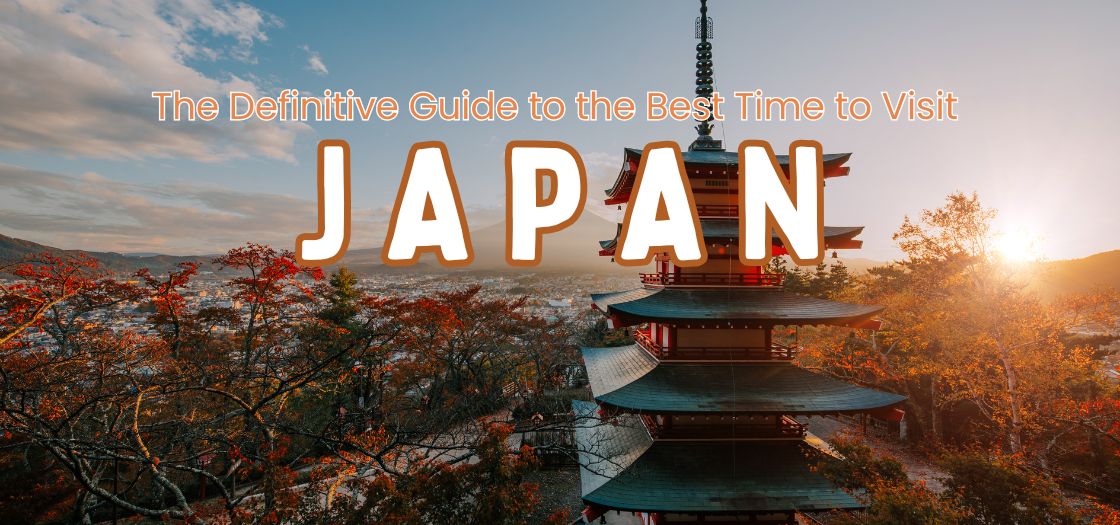
Planning a trip to Japan in 2026 and exploring Japan Tour Packages? Timing your trip can make a huge difference in your experience. Japan is renowned for its four seasons. Each season brings a different face to Japan in a spectacular way. While you can enjoy cherry blossoms in spring, you can also experience autumn leaves in shades of red and winter wonderlands in Japan. Whether you’re in Tokyo for a neon-lit experience or in Kyoto for a temple-hopping adventure, the best time to visit Japan is when you want to experience something.
In this guide, we will discuss the best time to visit Japan in 2026, month by month, and the weather, tourist season, cost, and events that are taking place in Japan in that specific month. There are also specific pieces of advice for tourists coming from India, forecasts for the cherry blossom season, and how to avoid the peak season, such as the Golden Week season.
| Month | Weather | Crowd Level | Cost | Best For |
|---|---|---|---|---|
| January | Cold, clear skies | Low | Cheap | Snow festivals, skiing |
| February | Cold with snow | Low | Cheap | Winter landscapes, Sapporo Snow Festival |
| March | Cool spring begins | Rising | Moderate | Early cherry blossoms |
| April | Mild, pleasant | Very High | Expensive | Peak sakura season |
| May | Warm and green | High | Expensive | Spring travel, festivals |
| June | Rainy season begins | Low | Cheap | Budget travel, fewer tourists |
| July | Hot and humid | Medium | Moderate | Festivals, Mt. Fuji climbing |
| August | Hot with typhoon risk | Medium | Moderate | Fireworks festivals, summer events |
| September | Warm, early autumn | Medium | Moderate | Shoulder season travel |
| October | Cool and comfortable | High | Moderate | Autumn foliage photography |
| November | Crisp autumn weather | High | Moderate-High | Peak fall colors |
| December | Cold, festive lights | Low | Moderate | Winter illuminations, clear Mt. Fuji views |
Japan is known for having four distinct seasons, each of which has its own beauty, festivals, and experiences to offer to tourists. As the country extends over 3,000 km from north to south, the climatic conditions also differ greatly from one place to another. While the southern part of the country, such as Okinawa, experiences the blossoming of cherry blossoms, the northern part, such as Hokkaido, may still be under snow in the same season.
If you’re planning on traveling to Japan in 2026, understanding the differences between the seasons can help you plan the perfect trip, whether you want to witness pink petals of sakura flowers floating gently over temples in Kyoto, trek through beautiful valleys, enjoy the scenic beauty of autumn leaves, or hit the slopes for some of the world’s best skiing in the Japanese Alps.
Spring has been regarded as the best season to visit Japan, especially during the stunning season of cherry blossoms, or sakura. As winter ends, gardens, temples, and riverbanks turn into a picturesque scene of pale pink petals of cherry blossoms. Locals enjoy traditional picnics under the blossoming cherry trees, creating a lively atmosphere in the Japanese capital, Tokyo, and other important cities like Kyoto and Osaka.
In general, the season for viewing cherry blossoms begins in late March in Tokyo and Kyoto, and progresses further north in late April or early May in Hokkaido. The flowering period, however, is limited to just a week or so in each place. As a result of the blossoms, spring is one of Japan’s busiest and most expensive seasons to travel.
Aside from sakura, spring is a great time to enjoy pleasant weather, beautiful garden blooms, and exciting cultural events like Takayama Spring Festival and Sanja Matsuri in Tokyo.
Summer in Japan is exciting, dynamic, and rich in cultural activities. Although it is hot and humid in Japan during summer, it is also the best time to see exciting matsuri (festivals), fireworks displays, and outdoor activities.
June is the beginning of tsuyu, or Japan’s rainy season, and it generally ends in early July. Once the rainy season is over, the cities are pleasant and warm, and so is the summer, when some of Japan’s biggest and most famous festivals are held, such as Gion Matsuri in Kyoto, Aomori Nebuta Festival, and many fireworks displays around the country.
Summer is also the time of the year when it is possible for people to climb Mount Fuji, from July to September. Those who prefer a milder climate should travel to Hokkaido, where there are national parks with good hiking trails.
Another special season to visit Japan is in autumn. In autumn, it is known as momiji season. It is the season when maple and ginkgo trees turn the scenery into red, orange, and gold colors.
The season of autumn foliage begins as early as late September in northern Japan, gradually progressing to other areas of Japan in October and November. The cities of Kyoto, Nikko, and Tokyo are beautiful in the season of autumn because of the presence of historical sites and temples.
The weather is usually cool, dry, and pleasant, making autumn a great season for sightseeing, photography, and cultural activities. Although the crowds are slightly smaller than those found during the famous cherry blossom season, they can still be substantial during peak visitation times for specific attractions.
Traveling in Japan during the winter season is a completely different experience. The northern parts of Japan, including Hokkaido and the Japanese Alps, experience heavy snowfall, making it a paradise for skiing and snowboarding enthusiasts.
One of the biggest events during the season is the Sapporo Snow Festival held in February every year, where tourists from all over the world throng to see the beautiful snow and ice sculptures. Winter is associated with Japan's onsen or hot springs, where tourists can soak in hot water while enjoying the beautiful scenery.
Another advantage of traveling during winter is that the skies are clear, and it is the best time of the year to see Mount Fuji, especially during December and January. Other than that, the best time to visit Japan is during winter if you are on a tight budget because it is the quietest time of the year except during skiing season.
For many travelers, the primary reason for visiting Japan is to view the famous Japanese cherry blossoms, known as "sakura." Every spring, beautiful pink and white blossoms cover the nation, including parks, temples, and riverfronts, making for one of the most famous travel experiences available worldwide. Since the blossoms only bloom for one to two weeks, planning your trip is vital.
As temperatures rise, the cherry blossom season gradually progresses from South to North across Japan. While Okinawa and other South regions experience the season as early as January or February, major tourist hubs such as Tokyo and Kyoto experience it during late March or early April. Meanwhile, in the Northern regions such as Hokkaido, it is in late April or early May.
As weather conditions vary every year, it is hard to determine the exact dates for the 2026 cherry blossom season. However, forecasts suggest that a similar trend is anticipated as in previous years.
| City | Expected First Bloom | Peak Bloom |
|---|---|---|
| Tokyo | Around March 22-25 | Late March-Early April |
| Kyoto | Around March 25-28 | Early April |
| Osaka | Around March 24-27 | Early April |
| Sapporo (Hokkaido) | Late April | Early May |
This usually happens between 5 to 7 days after the first blossoms are seen, and the blossoms are at their peak for a week before the petals start falling.
Visitors can enjoy "hanami," which is the traditional Japanese custom of picnicking under the blossoming trees with friends and family.
As the cherry blossom season sees millions of tourists visiting these places each year, the popular spots can get extremely crowded. However, if you want to have the experience of viewing the cherry blossoms with fewer crowds, it is better to choose lesser-known spots or travel at different times of the year.
Some of the good spots that can be considered for viewing the cherry blossoms with fewer crowds include:
If one wants to have the experience of viewing the cherry blossoms more than once in the same trip, it is better to travel north.
For most travelers, the last week of March and the first week of April seem to be the best time to visit and experience the beauty of the sakura in central Japan.
Japan has emerged as a favorite among tourists from India, owing to better flight connectivity, easier visa procedures, and the rising popularity of Japanese culture, food, and natural beauty. If you're planning to visit Japan from cities such as Delhi, Mumbai, Bangalore, among others, the right time to do so can also prove to be cost-effective in terms of flights, as well as tourist season crowds.
The airfare from India to Japan varies depending on the season. On average, the best months to visit Japan and save on airfare from India to Japan are during the shoulder and low seasons of Japan.
Typically cheaper months are:
Direct flights from major Indian cities like Delhi and Mumbai to Tokyo take approximately 7 to 9 hours, and during these periods, airlines offer promotional fares.
Indian citizens need a tourist visa to enter Japan, although the system has become much easier for applicants over the years, with many able to use the services of accredited travel agents for the application, which takes 4-7 working days after the application is submitted.
The planning should be done well in advance if your trip is scheduled during peak seasons such as cherry blossoms or fall foliage, as the number of applications for a visa will be higher.
One of the things that travelers from India need to consider is whether Japan’s rainy season coincides with India’s monsoon season. Japan’s tsuyu or rainy season runs from early June to mid-July in most parts of Japan.
However, it is not as intense as the monsoon rains that occur in other parts of India. Instead of constant storms, Japan has short bursts of rain followed by cloudy or humid weather. This allows for sightseeing, and tourist attractions are not crowded.
If you wish to avoid heavy rains in India, as well as crowds in Japan, then the period between late September and October is the perfect time for travel, as the weather is pleasant with beautiful autumn foliage.
For many Indian tourists, it is natural that international travel is planned around the holidays. Japan travel can be particularly attractive for the long holidays such as:
If you are not looking for an expensive trip, it is best that you book your flights at least 3–5 months in advance.
Even though Japan is a fantastic destination to visit all year round, the best time to visit Japan in 2026 depends on your style of travel. Some people visit for the cherry blossoms, some for the peace and quiet of the temples, and some for the mild climate and theme parks. Knowing how each season suits different kinds of travel will make your trip smoother and more enjoyable.
Here are the best times to visit Japan for different kinds of travelers:
In the case of families, the best time to visit Japan is in late spring, from April to May, and autumn, from October to November. The weather is pleasant, comfortable, and ideal for visiting cities and other places without worrying about hot or cold temperatures.
Japan has a number of world-famous family-friendly attractions, such as Tokyo Disney Resort and Universal Studios Japan in Osaka, where there is a unique area dedicated to Super Nintendo World. Visiting in spring or autumn is a better option because there are no long queues, unlike in summer when most people are on vacation.
These months are also good times to visit family-friendly attractions like:
If you are traveling with school-age children, July and August may be good times to visit due to school holidays, but be prepared for hot and humid weather.
If your aim is to have the Japan experience with savings, the low season from mid-January until early March is the cheapest time to go.
The winter season also offers the opportunity for special experiences such as the snow festivals, skiing, or soaking in hot springs (onsen)surrounded by snow.
The rainy season in Japan, which falls in June, is also a good time for savings. Although it is expected that rain will fall from time to time, sightseeing is not impossible.
Japan is one of the most photogenic countries in the world, and many photographers schedule their visits to coincide with the season.
There are two seasons that stand out as the most photogenic in Japan:
Spring (late March to early April)
The cherry blossoms offer stunning views in temple grounds, rivers, and parks. The early morning light and the pink petals of the blossoming sakura trees make famous spots such as the Philosopher’s Path in Kyoto and the Meguro River in Tokyo look stunning.
Autumn (late October to mid-November)
The autumn leaves turn forests, mountains, and gardens into kaleidoscopes of reds and golds. Some excellent destinations during autumn are the temples in Kyoto, Nikko National Park, and the Japanese Alps.
Winter presents photographers with excellent opportunities to take pictures, especially if Mount Fuji with its snow cap can be seen in the background.
If you want a quiet and peaceful experience during your travels, it is a must to avoid Japan’s peak tourist seasons.
The peak seasons include:
If you want a quiet experience during your trip, it is a must to visit Japan during these shoulder seasons:
You can also avoid congestion by choosing less popular places instead of visiting popular tourist destinations. For example, Kanazawa, Takayama, and Fukuoka can be good options for cultural experiences, which might be less crowded than Tokyo and Kyoto.
Although Japan is a great destination for experiences all year round, some national holidays can affect tourists’ plans. During these periods, millions of Japan's citizens move around within the country. This means that hotels are fully booked, trains are crowded, and tourist attractions are full.
If you are planning a trip to Japan in 2026, here are some key periods to consider.
The following are some of the key periods that can affect tourists in Japan.
Golden Week is a peak travel season in Japan, where a number of national holidays are celebrated in a row, providing a long break for people to travel around the country.
The key national holidays celebrated during the Golden Week are as follows:
In the year 2026, the sequence of national holidays stretches from April 29 to May 6.
If you are planning to visit Japan when the cherry blossoms are in season, it is advisable to do so before the Golden Week starts to avoid the above situations.
Obon is a significant Buddhist holiday in Japan that celebrates ancestral spirits. During this period, people go back to their hometowns, resulting in a high volume of domestic travel.
The Obon holiday takes place around 13th to 16th August every year. There may be a slight change depending on the region.
Obon season is also an interesting time to witness some of the traditional cultural events, such as Bon Odori dances and lantern festivals.
Silver Week is when many national holidays happen consecutively in September, thus giving people an opportunity to have an additional long trip.
In 2026, Silver Week will take place from September 19 to September 23.
Another factor that can impact the demand for travel in Japan is the summer school holidays in Japan. Summer school holidays in Japan run from mid-July to mid-August, and families in Japan tend to travel domestically during this time.
If you're planning to visit Japan in the summer, it's recommended that you book your hotel rooms well in advance.
One of the biggest holidays in Japan, New Year, takes place during this period. Many businesses, restaurants, and stores close their doors for a few days during this time, which falls on January 1st to 3rd, but temples and shrines fill up for the first shrine visit of the year, called Hatsumode.
Travel during this time might seem a little quiet in some areas, but large religious sites will be extremely busy.
Knowing these major holiday times will help you avoid crowds and higher travel expenses when planning your trip to Japan.
Japan’s weather and travel experiences vary greatly from season to season. The following is a month-by-month guide for traveling in Japan in 2026, including average temperatures, important events, and useful travel tips.
Average Temperature: 2°C-10°C
Top Events & Festivals:
Pro Tip:
January offers one of the best chances to see Mount Fuji with clear views due to winter clouds being scarce in the colder temperatures. It’s also a good time for travelers with a limited budget since prices go down after New Year holidays.
Average Temperature: 2°C-11°C
Top Events & Festivals:
Pro Tip:
If you are a lover of winter scenery, then February is a great month to visit and enjoy the snow festivals and skiing in Hokkaido or the Japanese Alps.
Average Temperature: 5°C-15°C
Top Events & Festivals:
Pro Tip:
Late March is the beginning of the cherry blossom season for cities such as Tokyo and Kyoto, making it one of the most popular periods for traveling.
Average Temperature: 10°C-19°C
Top Events & Festivals:
Pro Tip:
April is one of the prettiest months to visit Japan, but also one of the busiest. Book your travel and accommodations in advance.
Average Temperature: 15°C-23°C
Top Events & Festivals:
Pro Tip:
Early May can be extremely crowded due to Golden Week, but late May has pleasant temperatures and fewer tourists.
Average Temperature: 18°C-26°C
Top Events & Festivals:
Pro Tip:
June is rainy in Japan, but the crowds are small and hotels are cheaper.
Average Temperature: 23°C-30°C
Top Events & Festivals:
Pro Tip:
While summer festivals are exciting, be prepared for extreme temperatures in major cities!
Average Temperature: 24°C-32°C
Top Events & Festivals:
Pro Tip:
While August is a busy and hot month because of Obon, it is also the perfect time to visit traditional summer festivals.
Average Temperature: 21°C-28°C
Top Events & Festivals:
Pro Tip:
September is a time of transition between summer and autumn in Japan, but typhoons can occur in early September.
Average Temperature: 15°C-23°C
Top Events & Festivals:
Pro Tip:
October is a great month for a visit, with pleasant temperatures and clear skies making it ideal for sightseeing.
Average Temperature: 10°C-18°C
Top Events & Festivals:
Pro Tip:
November is a great month for photography and culture trips, with the autumn foliage in Japan providing beautiful scenery.
Average Temperature: 4°C-12°C
Top Events & Festivals:
Pro Tip:
December is the perfect time to enjoy winter illuminations, shopping, and the beautiful winter scenery, especially in cities like Tokyo and Osaka.
If you are planning your trip and looking for curated Japan tour packages, travel experts at Fliptripholidays can help you design the perfect itinerary based on the best season to visit Japan.
January and February are usually the best months to visit Japan, and it is relatively cheaper to fly to Japan during this period because the demand for travel is relatively lower after the New Year holidays.
For a first-time visit, it is recommended to spend 10 to 14 days in Japan. This will provide ample time to visit the key cities in Japan, including Tokyo, Kyoto, and Osaka, and also visit cultural sites, temples, and other nearby attractions like Mt. Fuji and Nara.
While June does signal the onset of Japan’s rainy season, it should be noted that it doesn’t rain all day long but rather in short intervals. The absence of crowds and the greenery make it a good time to visit Japan.
The 2026 cherry blossom season is anticipated to begin in late March in Tokyo and Kyoto. However, in northern regions such as Hokkaido, the blossoms are anticipated to bloom later in the season, in late April or early May.

About the Author Khushi
Khushi is a travel and SEO writer who combines in-depth research with a strategic approach to content creation. She specializes in creating informative and engaging travel content that helps readers discover destinations, plan their trips, and make confident travel decisions. At FlipTrip Holidays, she shares her expertise through well-researched, search-optimized content designed to provide genuine value to travelers while supporting organic growth.
Connect on LinkedIn
Travel Agent vs Online Booking: Why a Good Agent Still Wins
October 16, 2026

15 Best Things to Do in Dubai for First-Time Visitors
October 09, 2026

Best Scandinavia Tour Packages for Families: Must-See Cities, Fjords & Transport Tips
September 25, 2026

Finland Honeymoon Packages: Most Romantic Glass Igloo Resorts & Northern Lights Stays
September 18, 2026
Best Time to Visit Australia: Month-by-Month Weather & Travel Guide
September 10, 2026
Share article via:


Popular International Destinations!



© 2025 Fliptripholidays.in All rights reserved.
All content and images of this site are copyright of their owners. They are used here only for promotion. Unauthorized use is prohibited and may lead to legal action.



 +91 9999316597
 info@fliptrip.in
 +91 9999316587
 806 A09,
ITL, Northex Tower, NSP, Pitampura
806 A09,
ITL, Northex Tower, NSP, Pitampura