TRENDING DESTINATIONS

Last updated on: 09 Jan, 2026
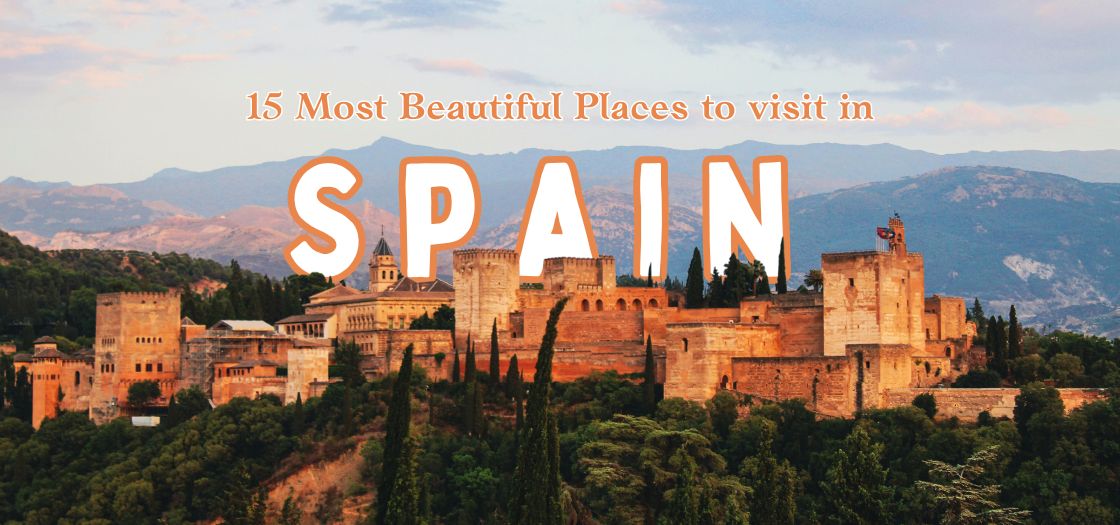
Spain is one of those countries that never really leaves your travel bucket list and to be honest, once you go, you’ll probably want to come back here again. This city is vibrant and buzzing with nightlife and the towns look straight out of history books. Now you can also enjoy this amazing place, sip sangria at sunset, wander through the streets, or dance till the sunrise with the best Spain vacation packages.
Spain has charming villages, stunning coastal towns, mountain escapes, and cultural treasures that make every traveler’s heart happy. In this blog, we’re exploring the best places to visit in Spain that you absolutely shouldn’t miss.
Spain in itself is a whole mood. It’s the place where Roman ruins meet Gothic cathedrals, where you can spend your mornings at world-class museums and your evenings partying on the beach. This is not like any other European countries, Spain has this unapologetic mix of old-world charm and modern style that feels unique.
This place is cheaper than a lot of its European neighbors where the weather is kinder, and the food is truly amazing. You get paella, tapas, churros, need I say more?
Plus, Spain’s fiestas and festivals are some of the wildest cultural experiences that you’ll ever see. Basically, if you ever decide to explore Europe, Spain would be the one place that will always get stuck in your head with the energetic, soulful, and unforgettable vibe here.
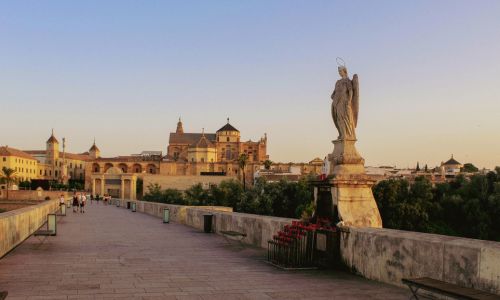
Córdoba, in southern Spain’s Andalusia region, looks like a city that is frozen in time but is still full of life. This place has whitewashed houses, flower-filled patios, and narrow cobbled lanes that look like a real fairytale every spring when balconies burst with blooms. Its blend of Moorish, Christian, and Jewish that makes it one of Spain’s most beautiful cities.
Back in the 10th century, Córdoba was one of the most important cities and was known for its scholars, massive libraries, and stunning architecture. The Mezquita (Mosque-Cathedral) here started as a mosque and later transformed into a cathedral and is one of the most unique religious monuments in the world.
If you are here, you should definitely try the creamy Salmorejo or the crispy flamenquín. You can also hop between tapas bars for authentic local food.
Main Attractions:
Things to Do:
Location: Andalusia, Southern Spain.
Best Time to Visit: April to June is best for the patio blooms or September to October for much cooler weather.
Local Tip: Skip dining in overly touristy spots near Mezquita, you can wander into side streets for authentic tapas at half the price.
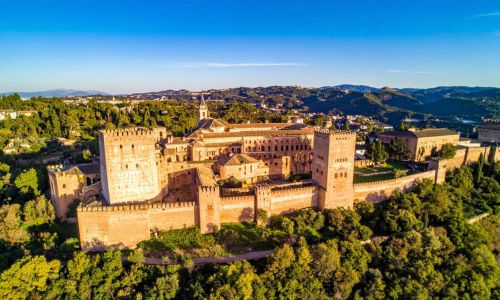
Granada, located at the foot of the Sierra Nevada mountains, is like a scene from a storybook. It has narrow lanes, whitewashed houses, and Moorish courtyards that just blend in with snowy mountain backdrops. And with the Alhambra view, this city is truly beautiful.
The Alhambra reflects Islamic artistry and later Christian influences that still preserve centuries-old architecture and winding streets. A fun fact here is that some houses in Albaicín still maintain ancient water channels that were originally used for irrigation.
You should try piononos (a sweet pastry) and Granada’s famous tapas culture, where small plates often come free with drinks.
Main Attractions:
Things to Do:
Location: Andalusia, Southern Spain
Best Time to Visit: April to June, September to October
Local Tip: Mirador de San Nicolás has some postcard-perfect views of the Alhambra at sunset.
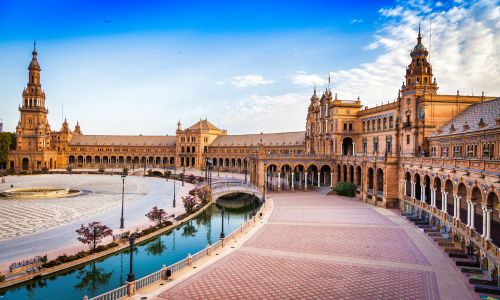
Seville is a vibrant place of Andalusia with its lively streets, orange-lined avenues, and colorful plazas. The place has the grand Seville Cathedral, charming Santa Cruz and every corner of this place radiates history and charm.
The city is famous for flamenco, and its Real Alcázar is a true masterpiece of Moorish architecture that is even seen in shows like Game of Thrones. You can stay in Santa Cruz for the historic vibes or near the city center for more convenience. Don’t miss the espinacas con garbanzos (spinach with chickpeas) and a live flamenco performance which will give you an experience you’ll never forget.
Main Attractions:
Things to Do:
Location: Andalusia, Southern Spain
Best Time to Visit: March to May, October to November
Local Tip: Visit early or late at Plaza de España to avoid the huge crowds and get the best photos.

Madrid is Spain’s bustling capital which is a vibrant mix of history, art, and modern lifestyle. This place has wide boulevards, elegant squares, and lively neighborhoods that makes it one of Europe’s most exciting cities to explore.
The city has some world-class museums like the Prado and Reina Sofía, along with the historic landmarks such as the Royal Palace. Here, Madrid's famous Retiro Park used to be a royal retreat before it was opened to the public in the 19th century.
You can book your stay at luxury hotels near Gran Vía or if you want the real feels, you go ahead with cozy boutique stays in Malasaña. If you are a foodie, you must try bocadillo de calamares (fried calamari sandwich) and explore local tapas bars for authentic flavors.
Main Attractions:
Things to Do:
Location: Central Spain
Best Time to Visit: March to May, September to November
Local Tip: You should buy museum tickets online to skip long queues, especially at the Prado.
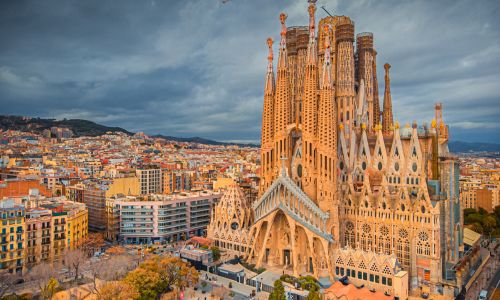
Barcelona is located on Spain’s northeastern coast and this city is a mix of creativity, culture, and coastline. The colorful streets, Gaudí’s architectural wonders, and Mediterranean beaches just makes it a stunning destination.
The city is famous for Sagrada Familia, Park Güell, and Gothic Quarter and just so you know, the Sagrada Familia has been under construction for over 140 years and is still not fully completed!
The city’s lively street culture, bars and the markets keeps the city buzzing 24/7. You can book your stay near Eixample for central access or Barceloneta for beach vibes. The must-try foods of this place include pa amb tomàquet (tomato bread) and fresh seafood tapas.
Main Attractions:
Things to Do:
Location: Catalonia, Northeastern Spain
Best Time to Visit: May to June, September to October
Local Tip: You should arrive early at Sagrada Familia to avoid the long lines and crowds.
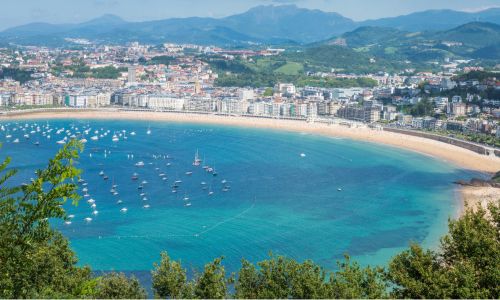
San Sebastian is located on Spain’s northern Basque coast and is famous for its golden beaches, scenic bay, and vibrant culinary scene. This city is a combination of luxury resorts, charming old town streets, and natural beauty to collectively make it one of Spain’s most picturesque destinations.
This place was a European royalty in the 19th century, which helped shape its elegant architecture and promenades. Even now, the city hosts the prestigious San Sebastian International Film Festival (SSIFF) every September, attracting stars from around the world.
You can stay near La Concha Beach for the stunning views or in the Old Town to truly enjoy the local charm of this place. Foodies will love trying the pintxos which are the Basque-style tapas served in tiny bites and don’t miss fresh seafood at local restaurants.
Main Attractions:
Things to Do:
Location: Basque Country, Northern Spain
Best Time to Visit: June to September for beach weather
Local Tip: Explore side streets in the Old Town for the best hidden pintxos bars.
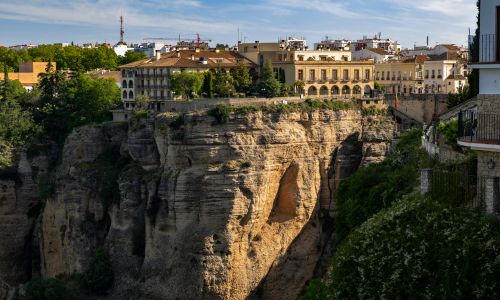
Ronda, is set over a deep gorge in Andalusia and is one of Spain’s most breathtaking towns. It has stone bridges, cliffside streets, and panoramic views that makes it a must-visit for photographers and travelers.
This place was a Roman settlement that later became a Moorish stronghold. The Puente Nuevo bridge here that spans the El Tajo Gorge, is over 200 years old and remains a symbol of the city. This place is considered the birthplace of modern bullfighting, and its historic bullring is one of the oldest in Spain.
The most famous and must try local dishes are Rabo de toro (oxtail stew) and the regional wines.
Main Attractions:
Things to Do:
Location: Andalusia, Southern Spain
Best Time to Visit: March to May, September to October
Local Tip: You can visit early in the morning for sunrise over the gorge which is magical and less crowded.
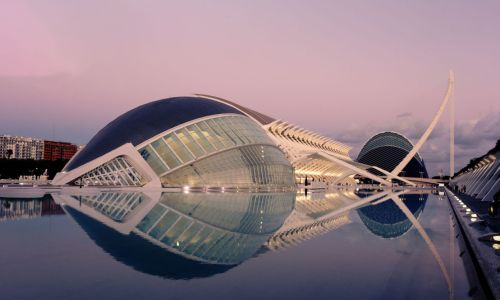
Valencia is a city that mixes historic charm with futuristic architecture. The Gothic cathedrals and the ultramodern City of Arts and Sciences in this city has a unique visual appeal.
Valencia was a Roman colony and that highly influenced its architecture, streets, and food culture. This is the origin place of paella, one of Spain’s most iconic dishes, and the city hosts the vibrant Fallas Festival every March.
You can stay in the Old Town for a great local ambiance or near the beach for the beautiful sea views. If you don’t know yet, paella is the famous dish here and the fresh seafood tapas.
Main Attractions:
Things to Do:
Location: Eastern Spain, Mediterranean Coast
Best Time to Visit: March (Fallas), May to June, September
Local Tip: You should have the paella at lunchtime like locals because it’s not a dinner time meal.

Santiago de Compostela is famous as the final stop of the Camino de Santiago pilgrimage. The medieval streets, baroque architecture, and spiritual vibe is what make it a truly special city.
This city grew around the tomb of Saint James, which attracted pilgrims from all over Europe. The cathedral’s Botafumeiro, which is a giant incense burner, swings across the main nave and weighs up to 80 kg.
The main food highlight of this place is pulpo a la gallega (octopus) and local Galician cheeses.
Main Attractions:
Things to Do:
Location: Galicia, Northwestern Spain
Best Time to Visit: May to September for mild weather
Local Tip: Explore narrow side streets for authentic tapas away from main tourist routes.
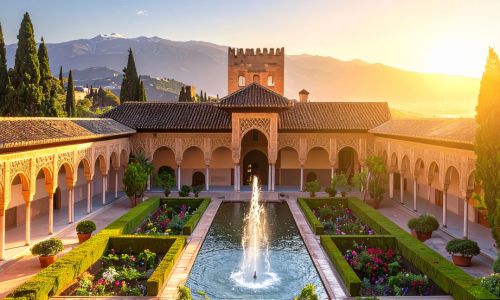
The Alhambra, in Granada, is one of Spain’s most iconic landmarks. This is a majestic fortress and palace complex that sits at the top of a hill, overlooking the city with its intricate architecture, serene gardens, and stunning courtyards. This place is a visual masterpiece that draws in visitors from around the world.
This palace was built during the Nasrid dynasty in the 13th and 14th centuries and the Alhambra served as a royal palace, military fortress, and administrative center. The palace walls have over 8,000 inscriptions, with poetry, religious texts, and decorative patterns. Its beauty reflects centuries of cultures blending together and influencing the architecture.
You can book hotels in Granada with Alhambra views or boutique accommodations nearby. Don’t leave without tasting the tapas in the Albaicín neighborhood or trying turrón, the local sweet treat.
Main Attractions:
Things to Do:
Location: Granada, Andalusia
Best Time to Visit: April to June, September to October
Local Tip: Book Alhambra tickets online in advance — they sell out quickly!
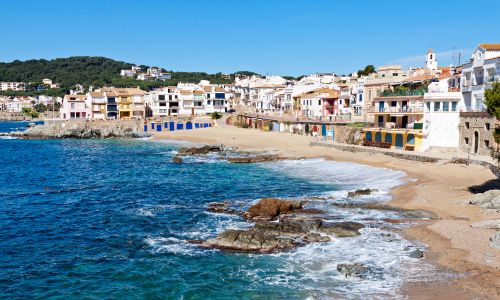
Costa Brava is Spain’s rugged Mediterranean coastline that is famous for its crystal-clear waters, hidden coves, and charming fishing villages. This place has super dramatic cliffs, golden beaches, and turquoise bays which is perfect for sun, sea, and photography lovers.
The small coastal towns like Tossa de Mar and Cadaqués have developed as fishing villages. Salvador Dalí had spent much of his life in Cadaqués, which actually inspired many of his artworks.
This region blends cultural history with natural beauty that gives you a relaxing yet vibrant escape. If you are here, you should try their famous fresh seafood, Mediterranean dishes, and local wines.
Main Attractions:
Things to Do:
Location: Catalonia, Northeastern Spain
Best Time to Visit: May to September
Local Tip: Explore hidden coves by kayak or boat for a more private experience.
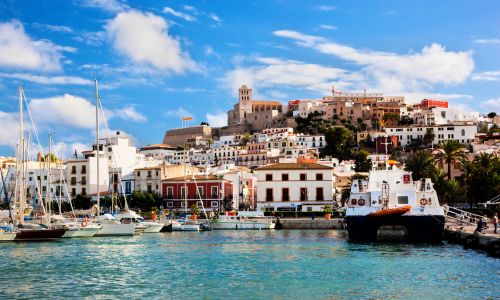
Ibiza is a part of the Balearic Islands that is world-famous for its vibrant nightlife, crystal-clear beaches, and bohemian vibe. This island is a party hotspot with serene villages, and scenic coastal landscapes, that makes it a must-visit for all kinds of travelers.
Ibiza was a Phoenician and Roman settlement that was later influenced by Moors. Dalt Vila, is an old town with ancient fortifications, cobbled streets, and stunning sunset views.
You can book your stay overlooking the Mediterranean and choose between a resort or a villa. The famous food here is fritters, fresh seafood, and local tapas with Balearic wines.
Main Attractions:
Things to Do:
Location: Balearic Islands, Eastern Spain
Best Time to Visit: June to September
Local Tip: You can explore Dalt Vila early in the morning or late evening to avoid party crowds.
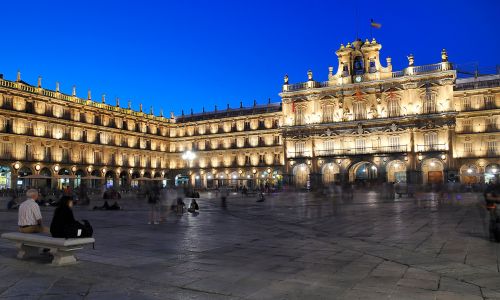
Salamanca is a stunning university city that is known for its golden sandstone buildings and historic squares. It is a blend of Renaissance and Baroque architecture that gives it a warm, glowing charm that captivates visitors.
This place is home to one of Europe’s oldest universities, Salamanca has a rich academic history. Fun fact: the Plaza Mayor is one of Spain’s most beautiful squares and a gathering place for centuries of students and locals alike.
You should definitely try hornazo (a meat-filled pastry) and also the sample tapas at local bars.
Main Attractions:
Things to Do:
Location: Castilla y León, Western Spain
Best Time to Visit: March to June, September to October
Local Tip: You can try spotting the frog on the University façade, it is said to bring good luck.
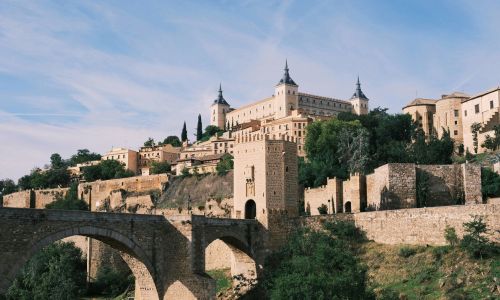
Toledo is known as the “City of Three Cultures” that sits on a hill over the Tagus River. The medieval streets, stone bridges, and historic buildings feel like a city that is frozen in time.
This place was home to Christians, Muslims, and Jews who lived together peacefully, and that is what shaped its unique cultural and architectural heritage. Toledo is famous for its steel swords and damascene metalwork which are still crafted by artisans today.
You can book your stay at historic paradores or the inns within the old town for a convenient stay. You should try the marzipan and traditional Manchego cheese with the local wines.
Main Attractions:
Things to Do:
Location: Castilla-La Mancha, Central Spain
Best Time to Visit: March to June, September to October
Local Tip: You can take a walk along the Tagus River and enjoy the stunning views of the city.
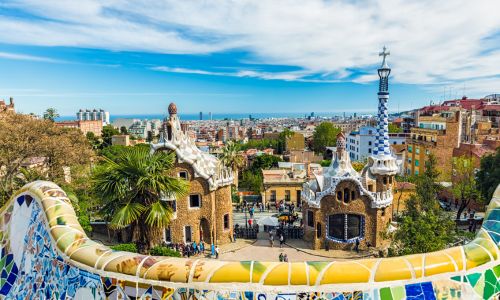
Park Güell is a public park, which was created and designed by Antoni Gaudí. This place is full of colorful mosaics, curvy benches, and fairy-tale architecture. This is one of the nice places to visit in spain that offers you stunning views of the city and the Mediterranean sea.
This park was built between 1900 and 1914, which was originally intended to be a housing project that was never fully made. Gaudí designed this park to integrate with nature for which he used organic shapes inspired by trees, animals, and natural forms.
You can book nearby hotels and Airbnb options for better convenience and visiting early or late. Don’t miss out on trying the Catalan pastries and enjoying fresh coffee at cafés that look over this park.
Main Attractions:
Things to Do:
Location: Barcelona, Catalonia
Best Time to Visit: March to June, September to October
Local Tip: You can arrive early in the morning to avoid crowds and get the best photos.
Now, before you hop on that flight to Spain, here are some things that you should keep in mind beforehand:
Spain is a year-round destination, but every season has a different vibe:
To travel around in Spain, you have many options:
In Spain, culture isn’t something you “see” but something you live. Here are a few things that you should not miss, if you are looking for good places to visit in Spain.
Spain is the kind of country that will always have your heart. This place is not just beautiful but also super rich in culture and for someone who loves exploring different cultures, this place will be like a haven. The iconic cities like Madrid and Barcelona or the hidden gems like Ronda and Salamanca, every destination has their own magic.
If you want to travel here for art, history, food, or just good vibes, a Spain tour package delivers you more than you could ever expect. You can book the Best Spain vacation packages with Flip trip holidays and have an amazing time exploring this country’s majestic culture and the local vibe.
1. Is Spain expensive to visit?
Not really. The big cities here can be a bit pricey, but the smaller towns and local food is actually budget-friendly.
2. Do I need a visa for Spain?
If you are located outside the EU, then you can check the Schengen visa requirements before traveling.
3. How many days are enough for Spain?
Around 10–14 days are enough and lets you cover 3 to 4 cities comfortably.
4. Which city is best for first-time travelers?
For the first time travellers, Barcelona or Madrid are great and they both have a bit of everything.
5. What is the most visited place in Spain?
Barcelona’s Sagrada Familia is the most visited place in Spain.
6. What to buy in Spain as a tourist?
As a tourist, you should know this place has great olive oil, wine, espadrilles, ceramics, and local sweets. So, if you want to buy anything in Spain as a tourist then you can choose one of these things.
7. Where is the prettiest place in Spain?
To choose one place is hard to pick, but Ronda and San Sebastian are the top prettiest places in Spain.
8. What not to do while in Spain?
Don’t expect dinners to be early, they are usually late at around 9-10 and although the tips are no issue but don’t skip tipping completely, and don’t compare Spanish food to Mexican - it’s different!
9. Is it safe to walk around Spain at night?
Yes, it is safe to walk around at night especially in cities. Just use common sense and avoid hanging at any isolated areas.